
How Web3 Transforms Traditional Gambling A New Era in Gaming

How Web3 Alters Traditional Gambling
The evolution of gambling has been a significant aspect of human culture, with its roots tracing back thousands of years. Today, we stand on the brink of another transformation, as Web3 technology begins to disrupt traditional gambling paradigms. This new iteration of the internet, characterized by decentralization, blockchain integration, and enhanced user autonomy, promises to redefine the gambling landscape. In this article, we will explore the impacts of Web3 on traditional gambling, highlighting its benefits, challenges, and the future it could create. Additionally, we’ll discuss innovative platforms like the How Web3 Alters Traditional Gambling Behavior Bitfortune app that embody these changes.
Understanding Web3 and Its Features
Web3 refers to the third generation of the World Wide Web, emphasizing decentralization and user empowerment. Unlike Web2, which is dominated by centralized entities and corporations, Web3 aims to distribute power back to users through the use of blockchain technology, smart contracts, and decentralized autonomous organizations (DAOs). These features enable trustless interactions, greater transparency, and the possibility of ownership in digital assets.
The Traditional Gambling Landscape
Traditional gambling is primarily facilitated through centralized platforms such as casinos, sportsbooks, and online gaming sites. Players deposit funds and place bets, often relying on regulated entities to ensure fair play and secure transactions. However, this model presents various challenges, including issues of trust, high fees, and a lack of control over personal data and funds. Moreover, users often face geographical restrictions and legal barriers that limit their access to gambling opportunities.
Decentralization: Empowering the Player
The rise of Web3 heralds a shift towards decentralization, where players have more control over their gambling experiences. In a Web3 ecosystem, users can engage with decentralized applications (dApps) that operate on blockchain networks. This means that games are not controlled by a single entity, thus eliminating the risk of manipulation and increasing fairness.
Furthermore, decentralized platforms allow users to bet against each other rather than against a house. This peer-to-peer betting system can lead to more competitive odds and lower fees, as there are fewer intermediaries involved in transactions. Players also benefit from greater transparency, as blockchain records all transactions, allowing anyone to verify fairness and integrity.

Enhanced Security and Anonymity
Security is a paramount concern in the gambling industry, where players must trust platforms with their money. Web3 technologies enhance security through the use of cryptographic techniques that protect users’ funds and personal information. Smart contracts automate processes in a secure and tamper-proof manner, reducing the risk of fraud.
Additionally, Web3 allows for increased anonymity. Players can engage in gambling activities without the need to provide extensive personal information, thus safeguarding their privacy. This aspect is particularly appealing to users who are wary of sharing data with centralized platforms that may be susceptible to data breaches.
Innovative Gaming Models and User Control
The integration of Web3 into gambling has paved the way for innovative gaming models that place power in the hands of players. One such model is the concept of “play-to-earn,” which enables users to earn tokens or cryptocurrency by participating in games. This shifts the focus from mere entertainment to financial opportunities, making gambling a potentially profitable venture for players.
Moreover, players can participate in governance through DAOs, influencing the direction and development of gaming platforms. This democratic structure ensures that the community’s voice is heard and contributes to the platform’s evolution, creating a more engaging and participatory experience.
The Role of Cryptocurrency in Gambling
Cryptocurrencies play a vital role in enabling Web3 gambling. They offer a fast, secure, and borderless method for depositing and withdrawing funds. Popular cryptocurrencies like Bitcoin and Ethereum are increasingly accepted in gambling platforms, allowing for seamless transactions without the need for traditional banking methods.
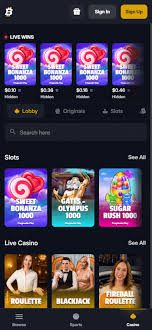
The use of cryptocurrencies also eliminates concerns about currency conversion rates and high transaction fees associated with credit cards and other payment methods. This has made gambling more accessible, particularly for users in regions with unstable currencies or restrictive banking regulations.
Challenges Ahead
Despite the potential benefits, the transition to Web3 gambling is not without challenges. Regulatory frameworks are still evolving, and many jurisdictions have not yet fully addressed the implications of decentralized gambling. Issues related to anti-money laundering (AML) and know-your-customer (KYC) compliance remain a concern for many platforms.
Furthermore, the overall user experience on some decentralized platforms may currently lag behind that of traditional offerings. Navigating blockchain interfaces and understanding cryptocurrencies can be intimidating for new users, potentially hindering widespread adoption.
The Future of Gambling in a Web3 World
As the Web3 ecosystem continues to mature, the future of gambling will undoubtedly evolve alongside it. We may witness the emergence of fully decentralized casinos, innovative betting platforms, and a diverse range of gaming experiences that empower players with unprecedented control and agency.
Collaboration between developers, regulators, and the community will be crucial in addressing the challenges and driving responsible gambling practices in this new landscape. As more players embrace Web3 technologies, the gambling industry will adapt to meet their expectations, ultimately reshaping the way we perceive and engage in gambling.
Conclusion
Web3 is set to transform traditional gambling in profound ways. By decentralizing control, enhancing security, and fostering innovation, it brings forth a new era where players can engage in fair, transparent, and autonomous gaming experiences. As we navigate this exciting transition, platforms like the Bitfortune app exemplify how these technologies can create engaging and rewarding opportunities for gamblers worldwide. The future of gambling is bright, and the possibilities are limited only by our imagination.
