
Lodhi Garden Delhi History, Timings, Entry Fee, Nearest Metro
Lodhi Garden Delhi History, Timings, Entry Fee, Nearest Metro
Check out our guide for all the information, history and facts you will need to visit the amazing tomb of Safdarjung! Read our guide for all the information you to visit, including the nearest metro station, ticket prices and how to get the most out of your time there. The gardens are full of tranquil lawns, ancient Lodhi Garden monuments and quiet nooks and the Khan Market will cater for all of your coffee, fashion or sweet treat needs. There is no “official” food and drink at the gardens but there are ice cream, chat, snack and drink vendors at every entrance to the park.
🚇 Lodhi Garden Nearest Metro Station
Lightweight, breathable clothing works best in the warmer months, and if you’re visiting during the cooler months, a light jacket or sweater should do. During this time, the weather is pleasant, and you can enjoy a peaceful walk or relax on the lawns without the heat. By following these simple rules, you help ensure that Lodi Gardens remains a beautiful, enjoyable spot for everyone to experience. Lodi Gardens is a beautiful place, and it’s important to keep it that way. Lodi Gardens is not only a peaceful place to relax, but it also offers a range of facilities to make your visit comfortable and enjoyable. Sometimes, places like Lodi Gardens have special days or times when entry is free, even if tickets are generally required.
People Also Ask About Lodhi gardens
- For people who prefer visiting in the evening then the Lodhi Garden closing time which is at 8.00PM is crucial.
- This incredibly octagonal tomb is (according to the internet at least) the earliest example of a garden tomb in India.
- The monsoon season brings its own magic to Lodhi Gardens, with rain refreshing the landscape and creating lush green conditions.
- The quickest way to get to the garden is by hailing a taxi and the ride will almost take 19 minutes.
- It makes a very photogenic tomb, as it is on a higher mound and is absolutely symmetrical.
There are boards indicating the tombs and other structures. These tombs are a fine example of the Indo-Islamic architecture and offer a glimpse into the glorious past of Delhi. Lodhi Garden has an interesting history.
Restaurants Near Lodhi Garden
The gardens' value as urban green space becomes increasingly important as Delhi's population grows and air quality concerns mount. Future preservation efforts must address long-term challenges while ensuring that the monuments remain accessible and meaningful to contemporary visitors. Recent restoration projects have focused on cleaning stonework, repairing structural damage, and improving visitor infrastructure while maintaining the authentic character of the monuments. Sustainable maintenance practices, including water conservation, organic gardening methods, and integrated pest management, help address environmental challenges while maintaining the gardens' beauty and health.
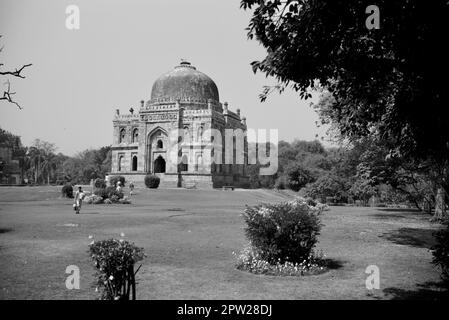
But I guess it is safe to assume that these must be noblemen, going by the grandeur of these tombs. In their era, the traitor’s tombs were made in the Octagonal style like that of Adham Khan’s. After independence, gardens were named after the dynasty whose remains still adorn it. Going by the aura around Lodhi Garden, I expected it to be big, but it is actually a mid-sized park spread over about 90 acres. Master storytellers like Khushwant Singh sat here and wrote novels such as The Sunset Club set entirely in these gardens.
Things to See in Lodhi Gardens
In this guide, we’ll cover everything you need to know about Lodi Gardens tickets, including pricing, timings, and tips to make the most of your visit. But before you plan your visit, it’s important to know about the entry requirements and ticket details. Whether you want to enjoy a relaxing picnic, take a morning walk, or explore some fascinating history, Lodi Gardens offers something for everyone. Yoga classes are organized every morning in the park for the regular walkers.

Shri Kalkaji Mandir, Delhi, Delhi
Balancing preservation with the garden’s vibrant social life requires ongoing negotiation, careful planning, and community engagement to ensure both thrive together. Yet, these historic structures are set within a dynamic public park, used daily by a diverse community for recreation and leisure. Rather than seeing nature and culture as separate, this approach recognizes landscapes as living records of social, historical, and ecological processes.
Popular Reading

March 24, 2026
March 24, 2026