
Exploring UK Horse Racing Why It’s Not Always On
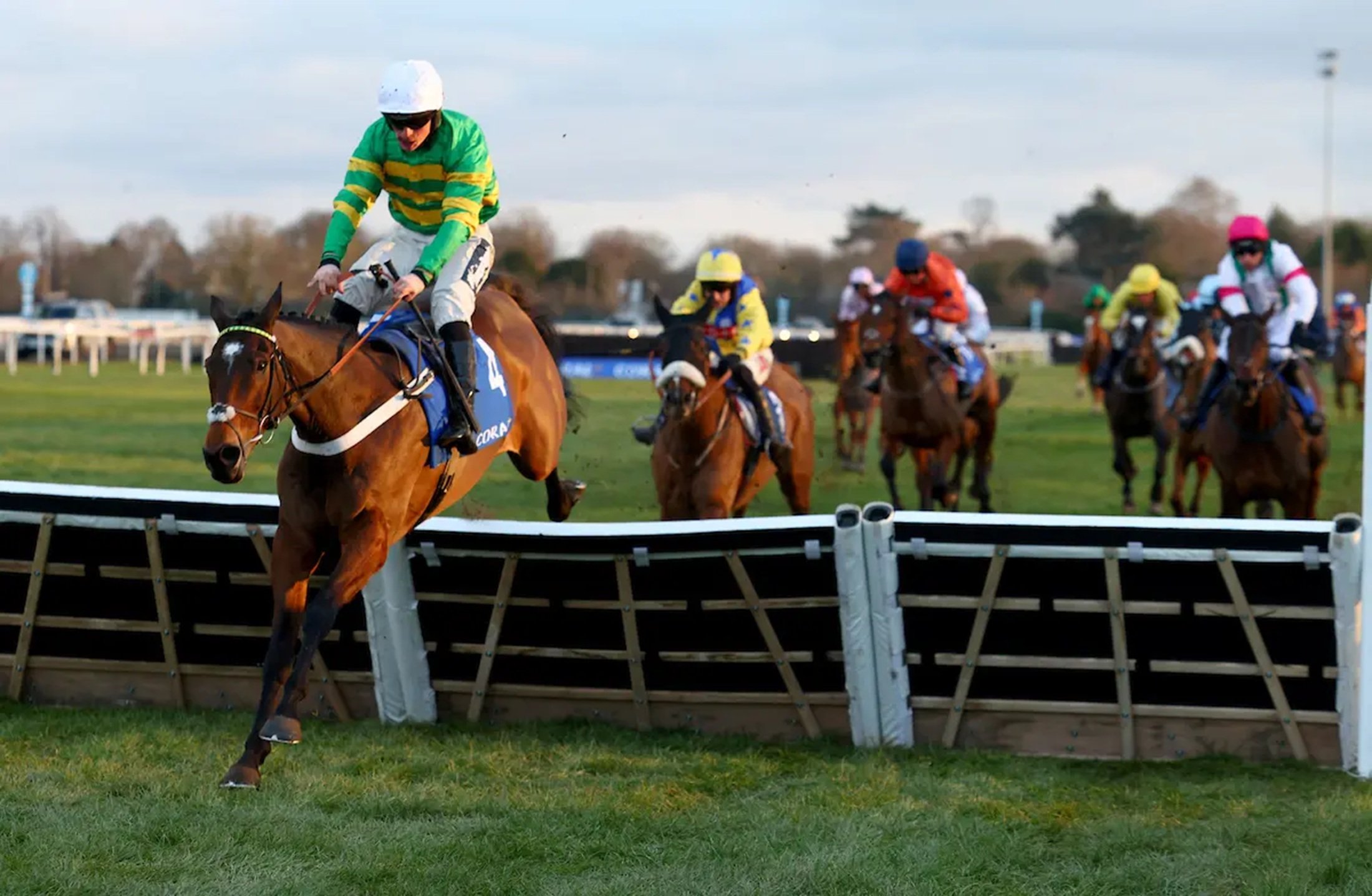
UK horse racing is a time-honored tradition that captures the hearts of many enthusiasts and gamblers alike. It is a spectacular display of skill, speed, and, most importantly, the bond between man and horse. However, there are times when the anticipated races are not on. Whether due to weather conditions, safety concerns, or unforeseen circumstances, understanding the reasons behind the cancellations can help fans adapt. In this article, we will delve into the various factors that lead to horse racing not being on, and how these elements intertwine with the broader context of the sport. For fans looking for alternative betting options when official races are not available, you might consider platforms like UK horse racing not on GamStop horse racing not on GamStop.
The Importance of Weather Conditions
Weather plays a pivotal role in the world of horse racing. Races are often called off due to adverse weather conditions, as the safety of both horses and jockeys is paramount. Heavy rainfall, snow, or extreme heat can render track conditions unsuitable and dangerous for racing. The British weather is notoriously unpredictable, which can lead to abrupt cancellations of scheduled races. Racecourses must continuously monitor weather forecasts and track conditions, making it difficult for fans to rely on fixed schedules.
Safety First: The Role of Vet Checks and Inspections
Before any race, horses undergo thorough veterinary checks to ensure they are fit to compete. If any horse is deemed unfit, or if there are concerns about the overall health and safety of the competitors on a given day, races may be postponed or cancelled. Additionally, track inspections are conducted to ascertain the condition of the racing surface; if the track is deemed unsafe due to various reasons such as waterlogging or excessive wear and tear, events may not go on. This rigorous approach reflects the industry’s commitment to maintaining high standards of welfare for both horses and jockeys.
Political and Economic Factors
The horse racing landscape in the UK is not immune to broader political and economic factors that may impede its regular operation. Budget cuts to funding for local racing events, transport disruptions, or even economic uncertainty can have cascading effects on the scheduling and financing of races. For example, during times of economic downturn, sponsorship for events may dwindle, leading to the cancellation or rescheduling of races. Similarly, political factors such as changes in regulations or Brexit-related issues can impact everything from the import of horses to the financial viability of racing events.
The Impact of Health Crises
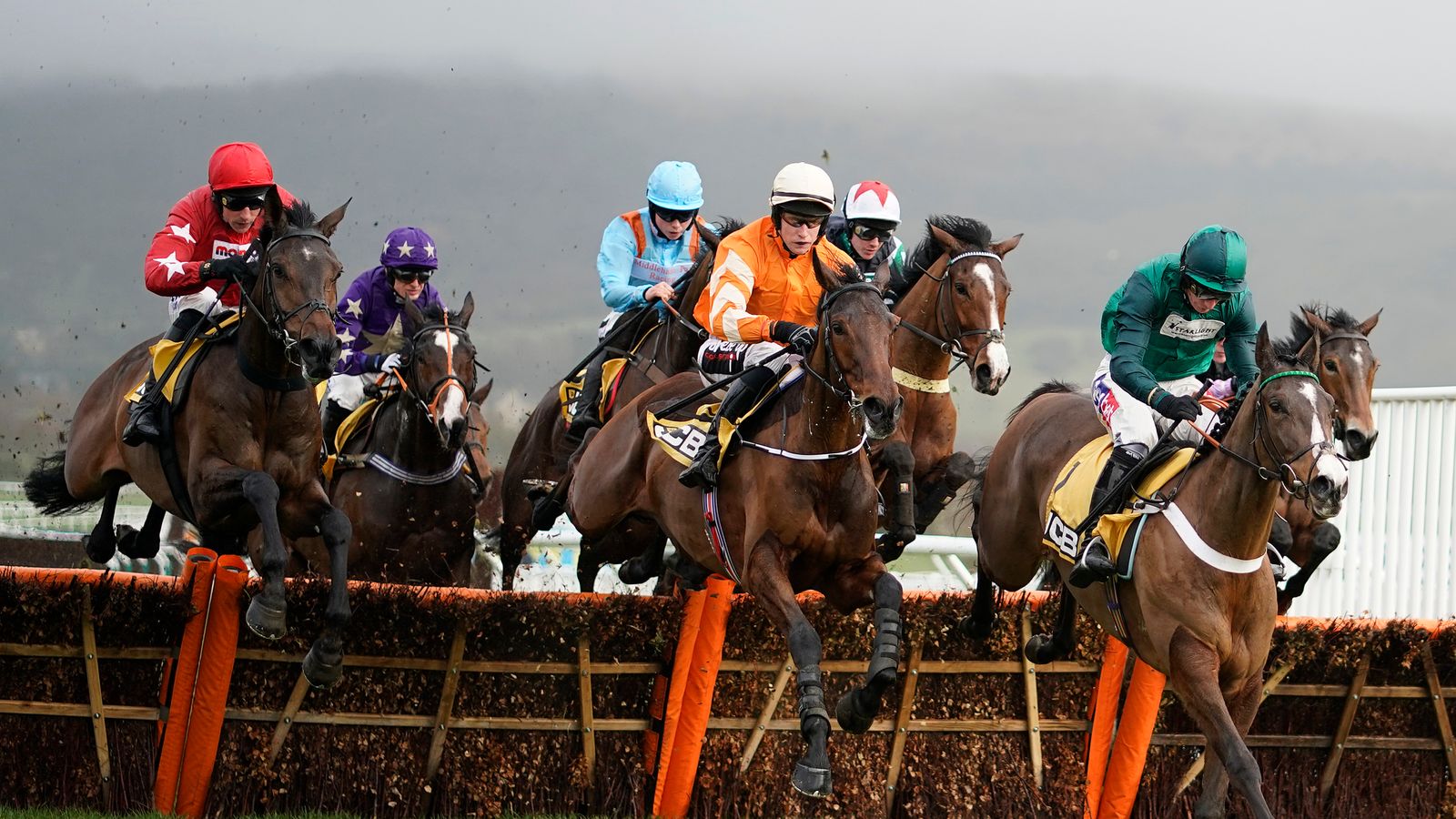
The COVID-19 pandemic dramatically affected the horse racing calendar in the UK. Lockdowns and social distancing measures led to the cancellation of major racing events, restricting spectators and sometimes forcing races to take place without an audience. Even after restrictions were lifted, the ripple effects were felt as industries adjusted to the ‘new normal’. Health concerns will likely continue to influence the scheduling of races, as racecourses and governing bodies remain vigilant about ensuring the safety of participants and fans.
The Role of Technology and Virtual Racing
As traditional horse racing faces interruptions, technology and innovation are stepping in to fill the gap. Virtual horse racing and online betting platforms are providing fans with alternative options, motivating them to engage with the sport even when live races are not on. Virtual racing mimics real-life horse competitions and allows fans to place bets on these simulated events. This technological advancement has not only provided entertainment but has also opened up new avenues for revenue generation in the horse racing industry.
Alternative Betting Opportunities
When traditional horse racing events are not on, bettors often seek alternative avenues to place their wagers. Online betting platforms that feature other forms of racing or sports allow fans to remain engaged with their passion. Bettors can explore international racing events, greyhound racing, or even e-sports betting for a temporary fix. This adaptability is crucial for maintaining a dedicated fan base and ensuring the financial health of the racing industry.
The Future of UK Horse Racing
Despite the challenges that lead to races being called off, the future of UK horse racing remains promising. The sport continues to adapt to changing circumstances, embracing new technologies, and finding innovative ways to captivate audiences. Few activities embody the thrill of competition and the majesty of horses quite like racing, and dedicated enthusiasts are likely to support it through thick and thin. Organizations within the industry are working towards creating a more sustainable and resilient racing environment that acknowledges and addresses these disruptions.
Conclusion
In conclusion, the intricacies of UK horse racing offer a rich narrative shaped by various factors that can result in races not being on as planned. From unpredictable weather conditions to health crises, each element plays a crucial role in how the sport evolves. Horse racing, with its storied history and passionate supporters, has the resilience to navigate these challenges. As fans, understanding why races might be cancelled can enhance our appreciation for the sport and its complexities. So whether you’re watching live or exploring alternative betting options, the thrill of horse racing endures, proving that the spirit of competition is more than just the outcome of an individual race.
